About All Tours Stargazing ToursAnd Zion ToursFrom Las Vegas ToursSelf-Guided Driving ToursHorseback Riding ToursScenic ToursZion Self-Guided ToursHelicopter Tours Directions Hours & Fees
Find Tours 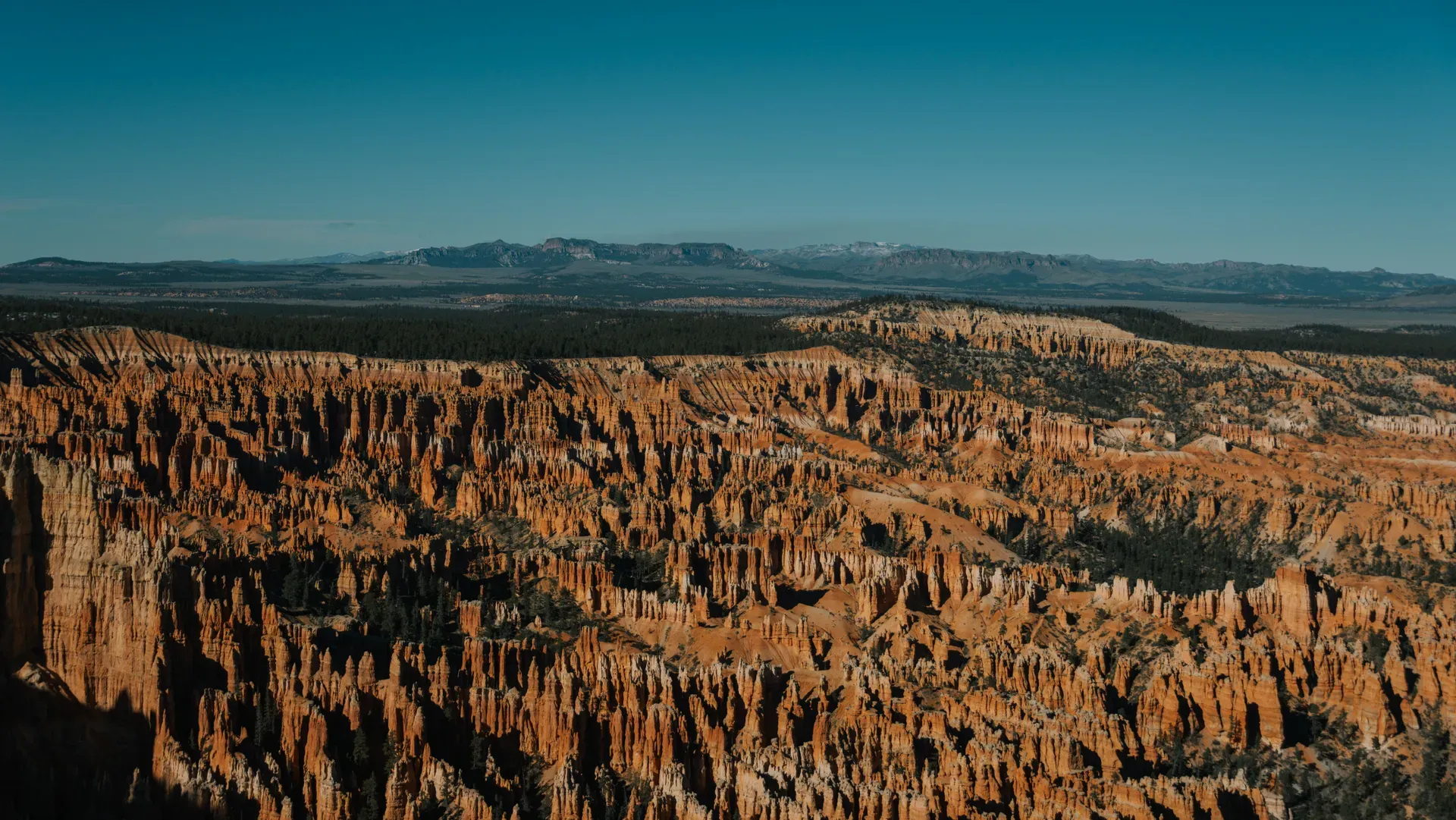
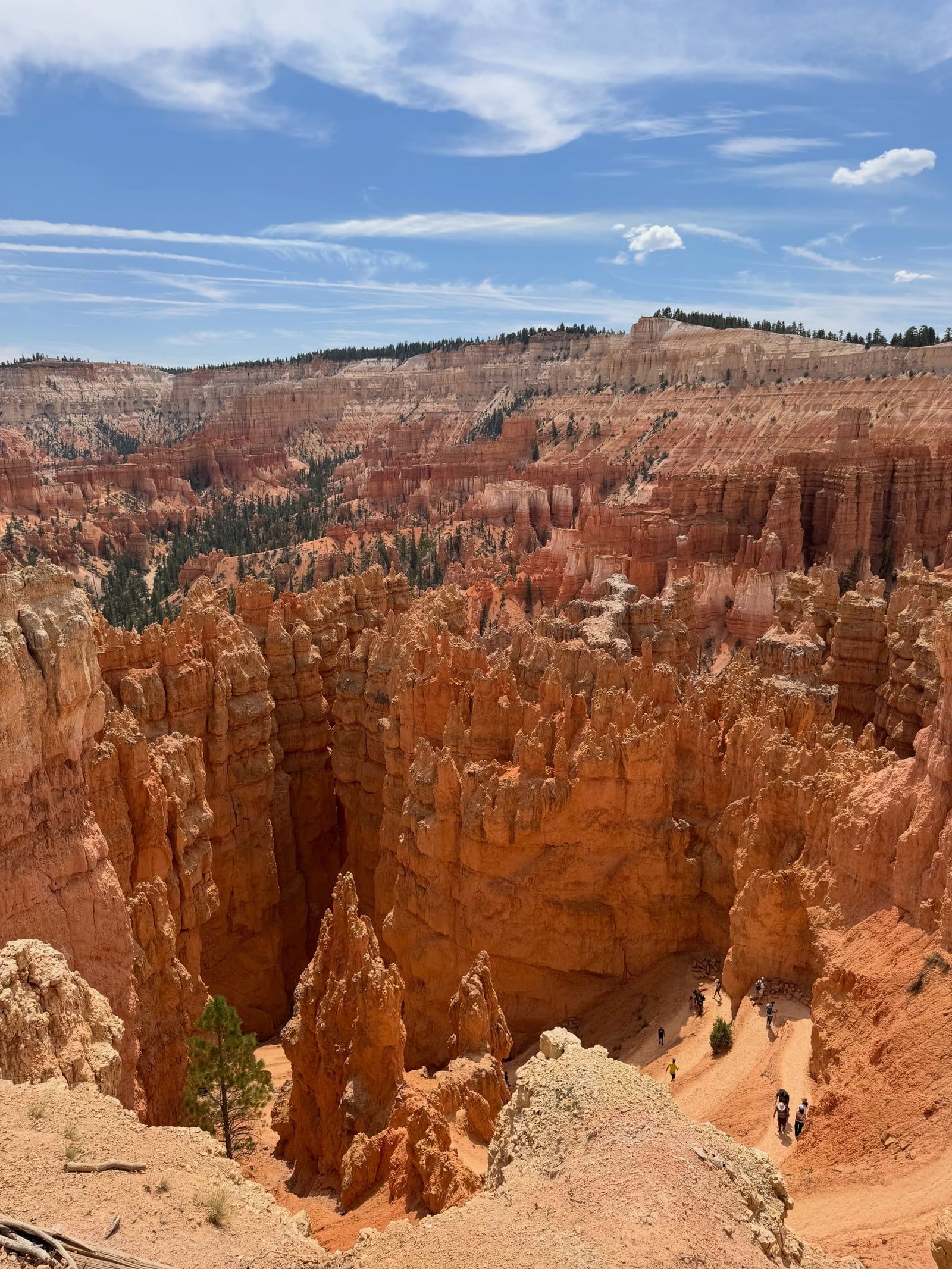
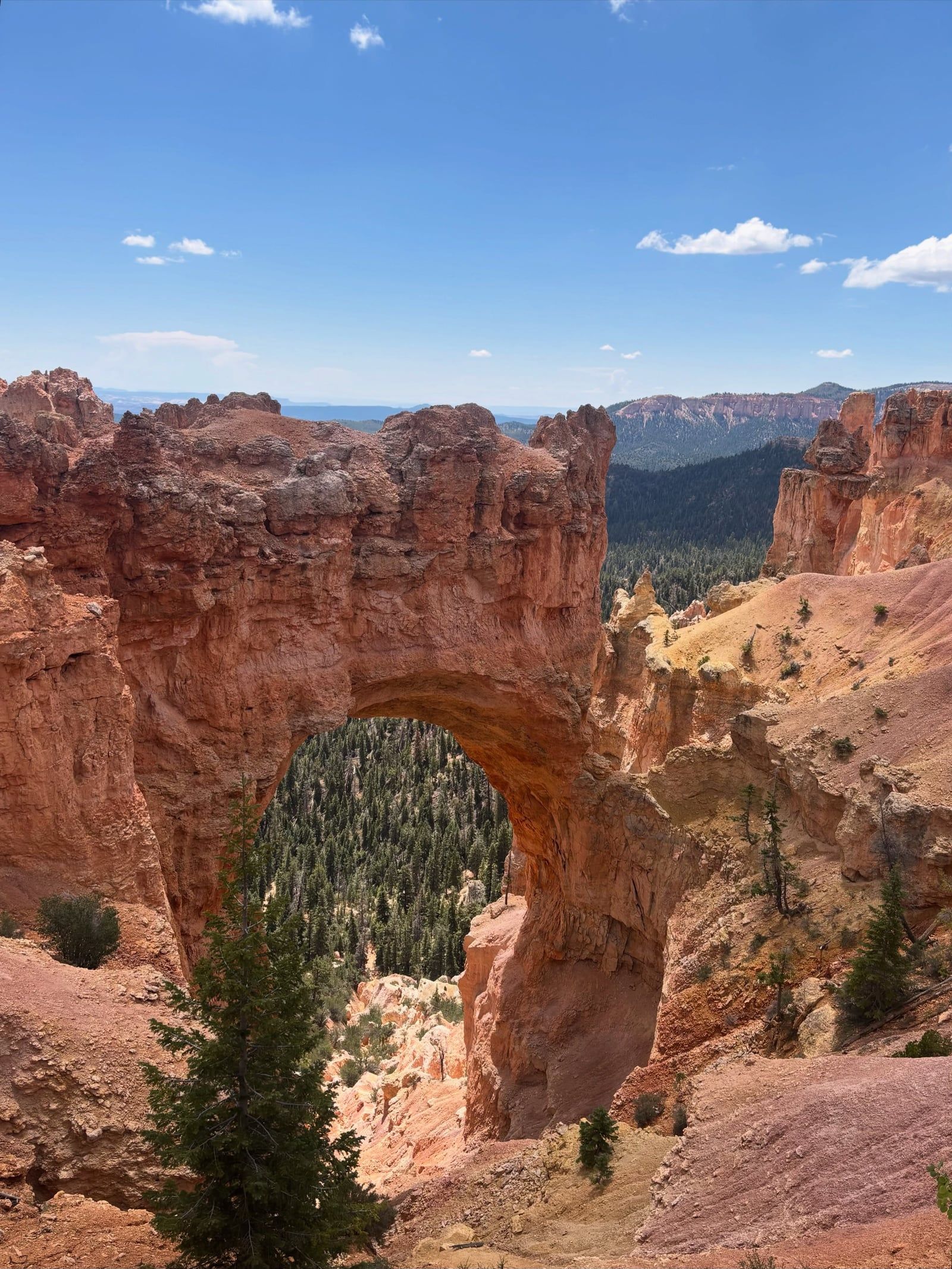
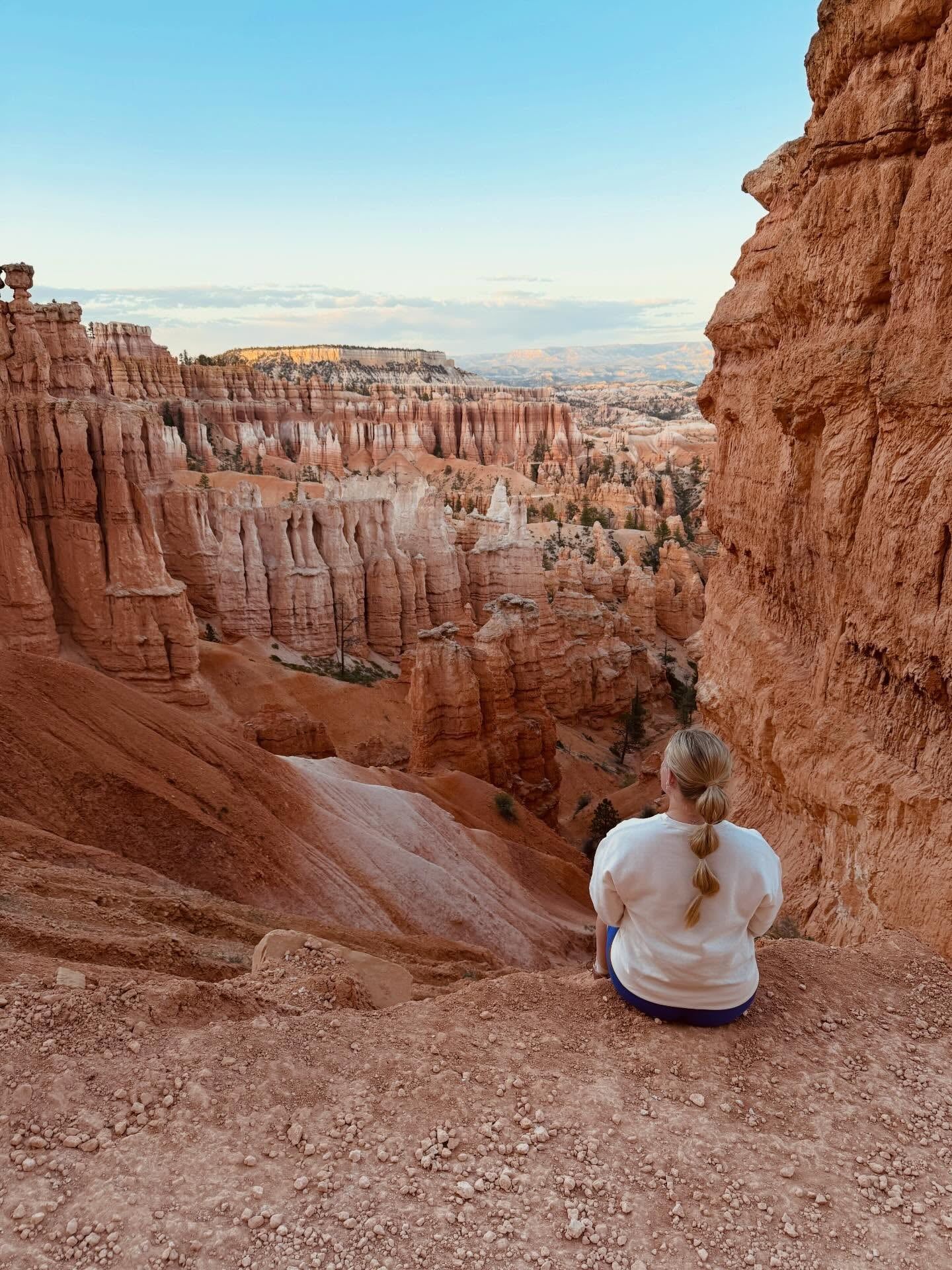
Situated on the Paunsaugunt Plateau at elevations up to 9,115 feet, Bryce Canyon National Park spans 35,835 acres of horseshoe-shaped natural amphitheaters. These high-altitude basins hold the world's largest collection of hoodoos, featuring thousands of tall, skinny rock spires carved by frost-wedging and rainwater.
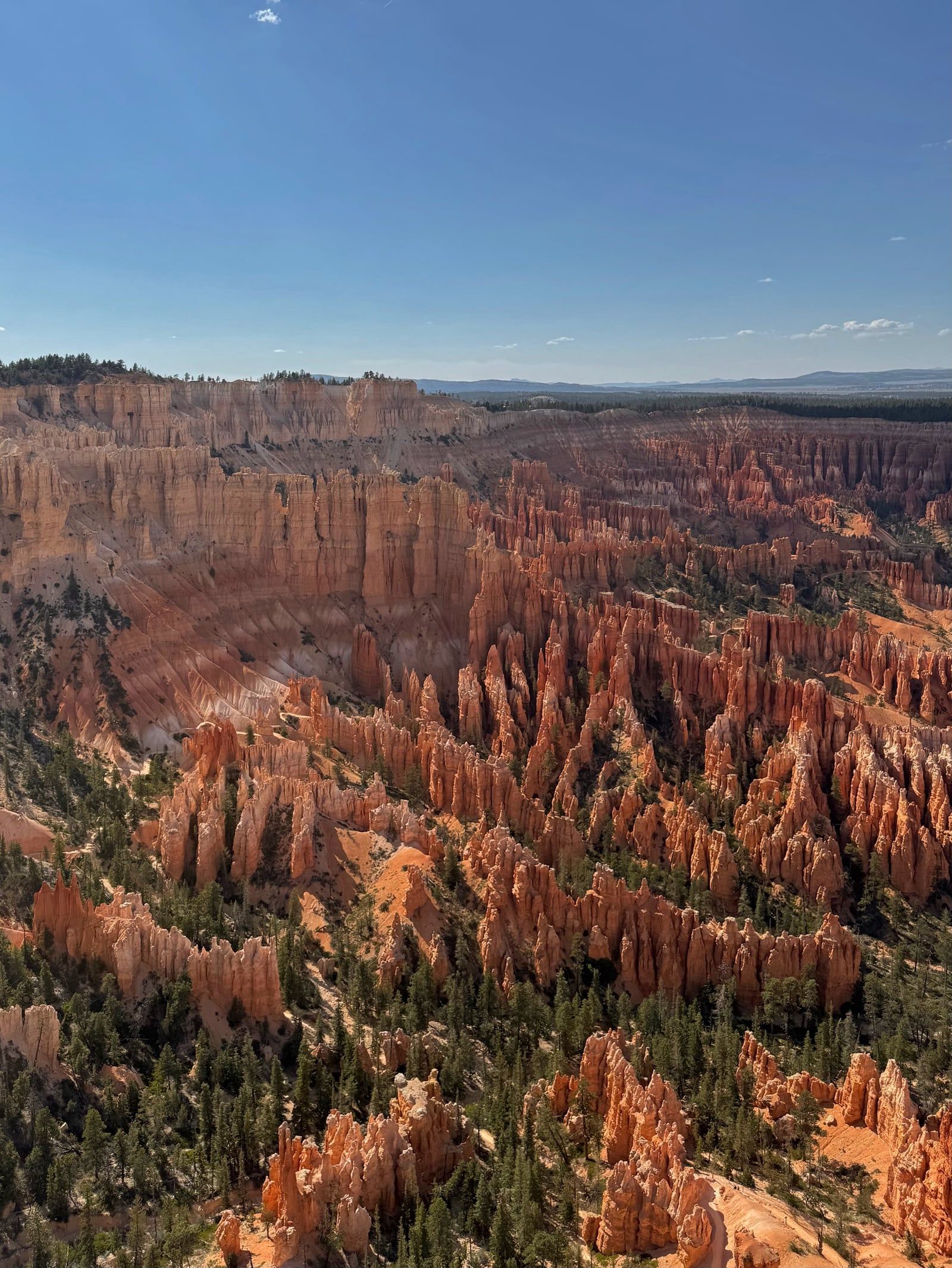
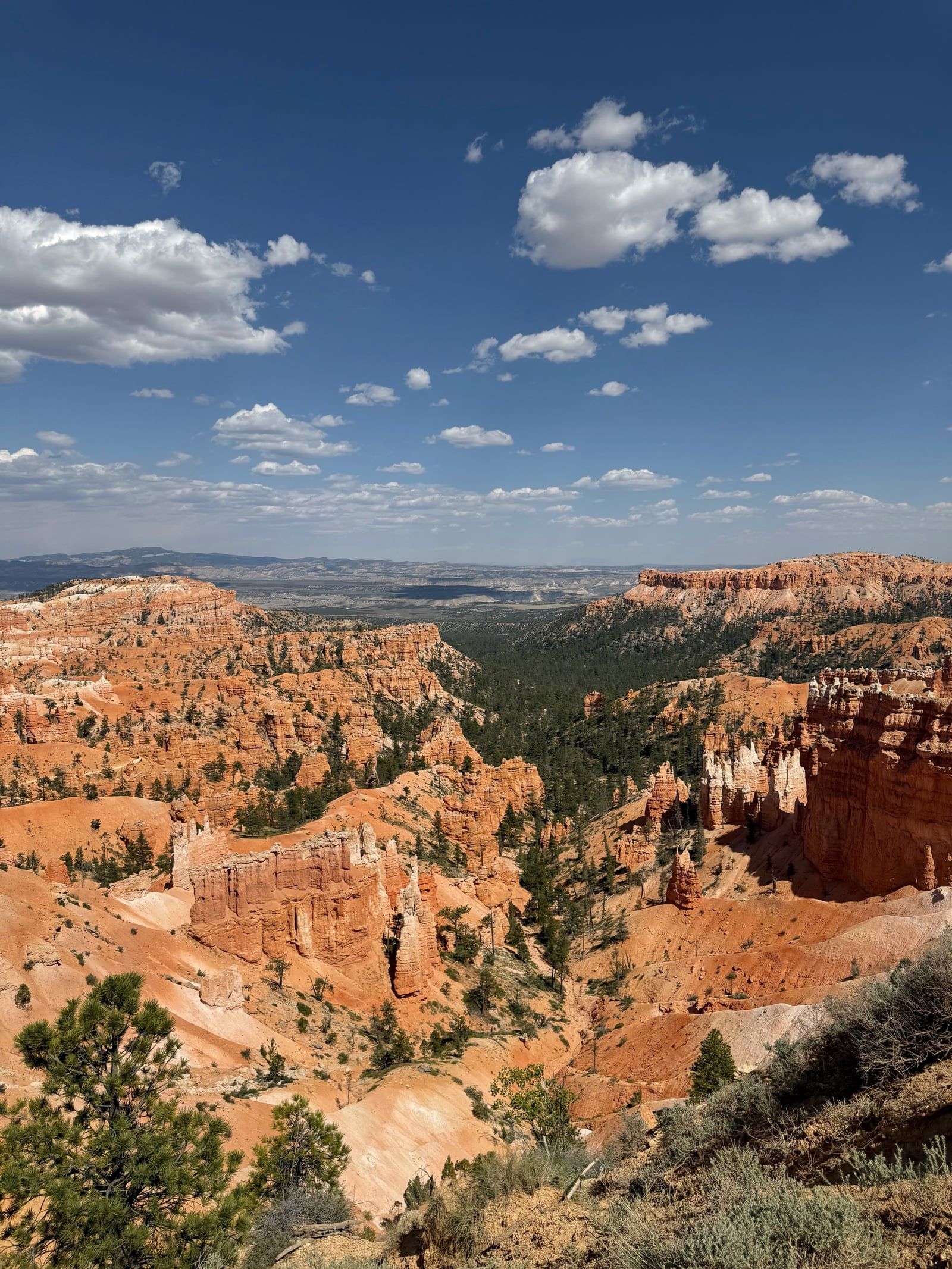
Find Guided ToursBryce Canyon National Park covers 35,835 acres on the eastern edge of the Paunsaugunt Plateau in south-central Utah. Despite its name, the park is not a single canyon. It consists of a series of horseshoe-shaped natural amphitheaters carved into the plateau. At elevations ranging from 8,000 to 9,115 feet, the park is home to the world's largest collection of hoodoos. These tall, skinny spires of rock protrude from arid basins, creating a highly unusual high-altitude landscape.
The geology of Bryce Canyon spans a 525-million-year history of sedimentary layers deposited in ancient lakes, deserts, and seas. The park sits on the top step of the Grand Staircase, representing the most complete sequence of sedimentary rocks on Earth. The hoodoos are carved from the calcium-rich mudstone of the Claron Formation. Over millions of years, frost-wedging and the chemical dissolving power of slightly acidic rainwater shaped these spires. Iron and manganese minerals tint the rocks in distinct shades of red, orange, and white.
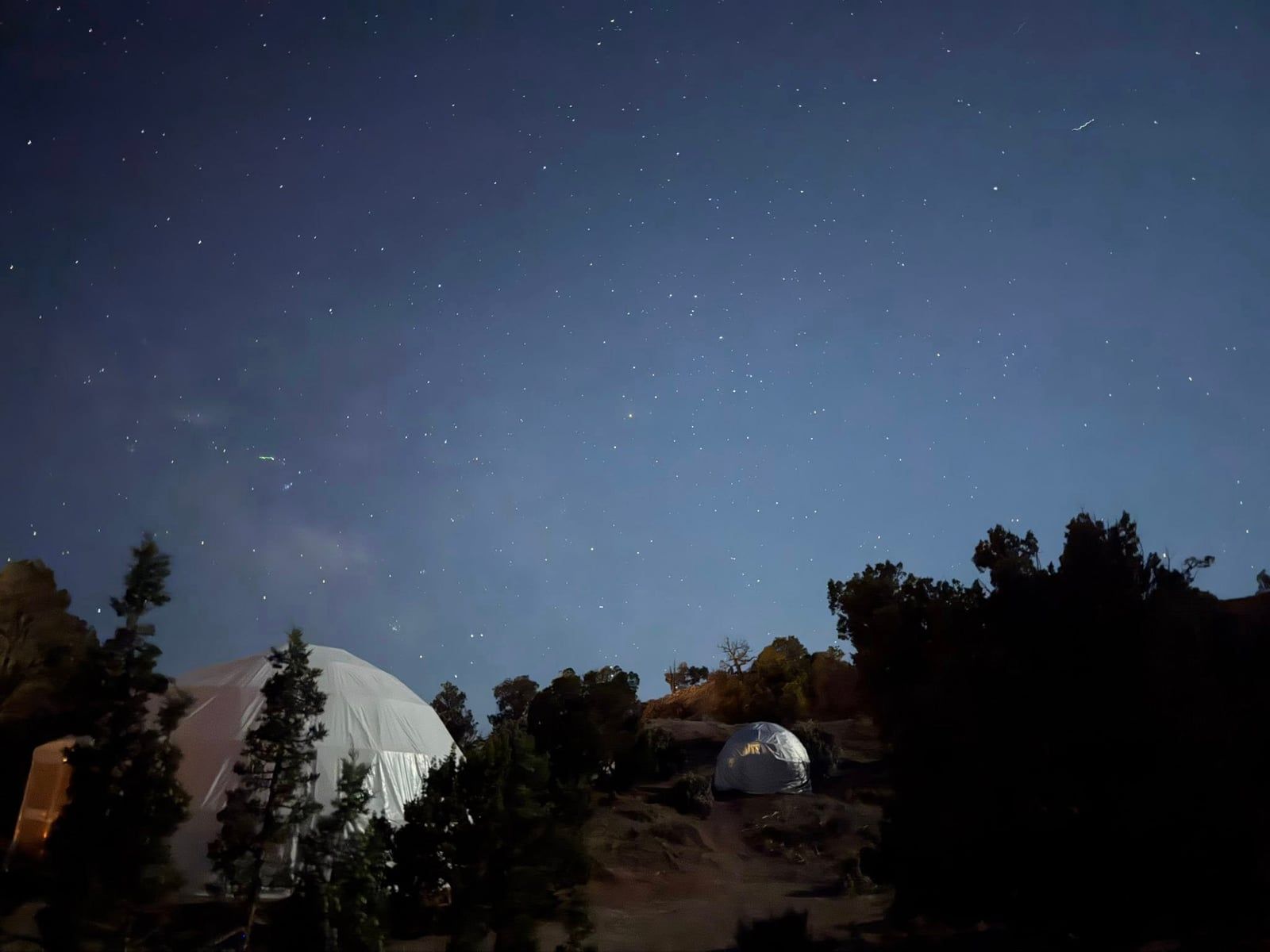
Beyond its geology, the high-altitude environment provides an exceptional setting for astronomical observation. As a certified Dark Sky Park, Bryce Canyon remains isolated from city light pollution. Visitors can view the Milky Way with remarkable clarity, making it a premier sanctuary for nighttime stargazing.
Mormon pioneers settled the region in the late 1800s. The area took its name from Ebenezer Bryce, a Scottish-born carpenter who homesteaded there in 1874 and constructed a timber road to the rim. Recognizing the scenic value of the amphitheaters, President Warren G. Harding established Bryce Canyon National Monument on June 8, 1923. Following a brief period as Utah National Park, it officially became Bryce Canyon National Park on February 25, 1928, under President Calvin Coolidge. Today, the protected landscape draws more than 2.3 million annual visitors.
Discover the full history and cultural significance on our About page.
Bryce Canyon operates as a certified Dark Sky Park far from city light pollution. Visitors can join ranger-led astronomy programs or hike under a full moon to see the Milky Way with absolute clarity. The high altitude creates a premier sanctuary for astronomical observation.
This three-mile hiking loop descends directly into the hoodoo amphitheater via steep switchbacks carved into iron-tinted cliffs. Hikers walk beneath massive rock fins and wind past towering geological formations like Thor's Hammer before climbing back up to the canyon rim.
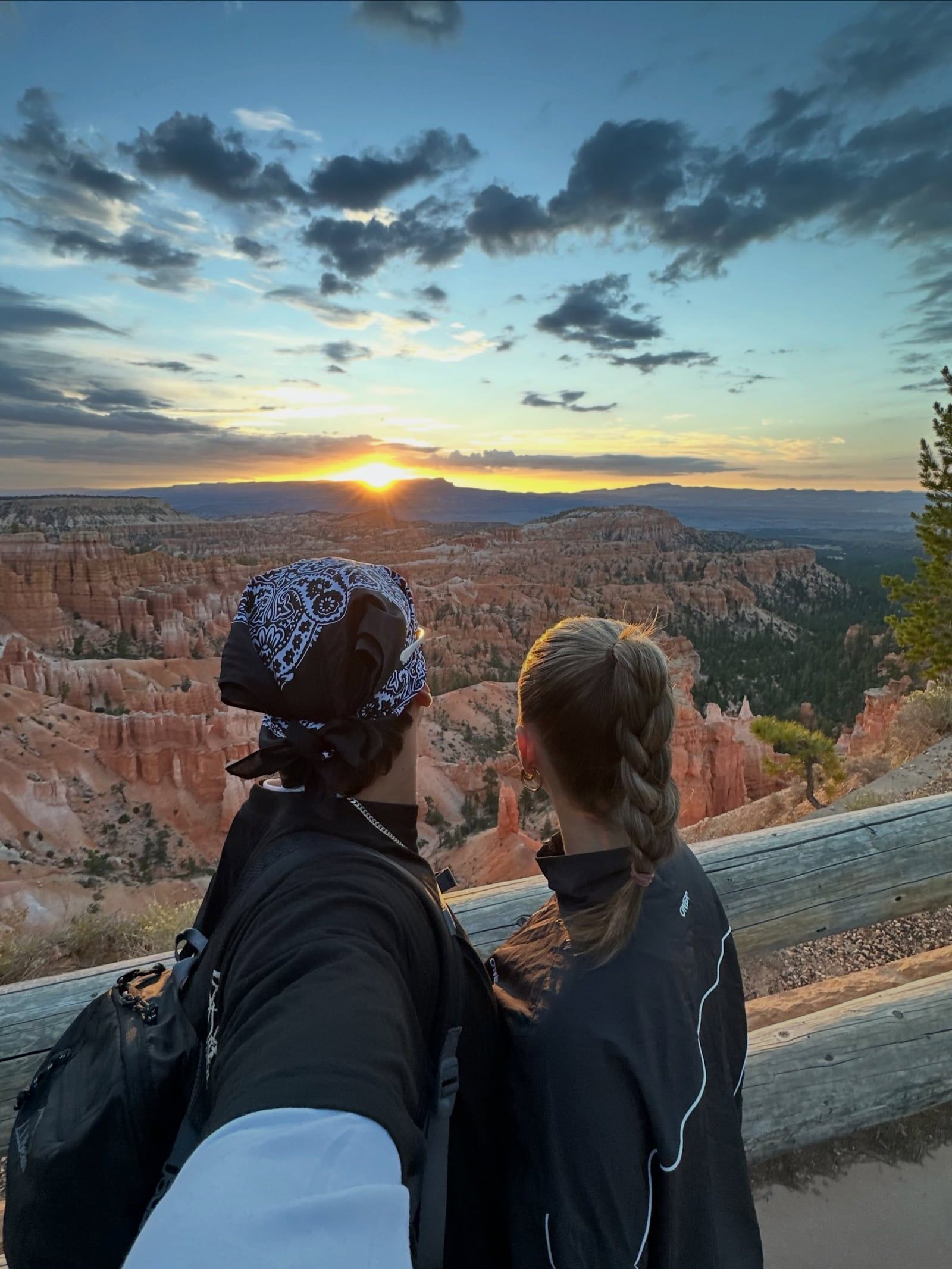
Arrive 30 to 40 minutes before dawn to watch the sun rise behind towering hoodoos. The early morning light casts a colorful glow across the entire Bryce Amphitheater. As the red rocks slowly illuminate, deep shadows retreat from the thousands of tightly packed stone spires.
An 18-mile scenic drive climbs to the park's highest elevation at 9,115 feet. Travelers can stop at 14 overlooks, spot local mule deer, and walk the one-mile Bristlecone Loop Trail. This high-altitude path features ancient pine trees that are thousands of years old and sweeping views toward Arizona.
Hand-picked tours with free cancellation and verified reviews
 Free Cancellation 13h
  Free Cancellation 3h
  72h
72h  Free Cancellation 14h
  Free Cancellation 3h 25min
  Free Cancellation
  Free Cancellation 4h
  Free Cancellation
 The ideal time to visit Bryce Canyon is from May through September, when daytime temperatures comfortably sit in the 60s and 70s. Late May and September are particularly recommended for their balance of mild weather, full shuttle operations, and smaller crowds.
March remains freezing with restricted trail access, but conditions improve significantly by April. Late May provides ideal hiking weather, fewer crowds, and the resumption of the park shuttle service.
Daytime temperatures reach the 60s and 70s, drawing the largest crowds. Hikers must descend the rim before 11 a.m. in July and August to avoid dangerous monsoon lightning storms.
September offers excellent hiking conditions and full facility access. By November, the park transitions into its winter season, bringing freezing temperatures, snow, and the closure of the Sunset Campground.
Daytime highs rarely break 40°F, with extremely cold nights. While the snow-capped hoodoos are highly scenic, visitors face restricted trail access, limited facility hours, and temporary road closures.
Bryce Canyon National Park remains open 24 hours a day, 365 days a year. However, specific park facilities operate on seasonal schedules. The Visitor Center is open daily with shifting seasonal hours. The Park Shuttle and Sunset Campground operate from mid-April through October, with the shuttle typically running from 8 a.m. to 6 p.m. and extending to 8 p.m. during the summer months. Winter visitors between November and March should expect limited facility hours and potential temporary road closures due to heavy snow and ice.
| Category | Price |
|---|---|
| Private Vehicle (valid for 7 days, covers all occupants) | $35.00 |
| Motorcycle (valid for 7 days) | $30.00 |
| Pedestrian or Bicycle (per person) | $20.00 |
| Youth (15 and under) | Free |
| Non-US Resident Surcharge (16 and over, per person without valid pass) | $100.00 |
| Bryce Canyon Annual Pass | $70.00 |
No advanced reservations or timed-entry passes are required to enter the park. The standard entrance fee includes unlimited use of the seasonal Bryce Canyon Shuttle. Visitors should only pay entrance fees at official automated booths or the Visitor Center to avoid roadside parking scams.
For complete schedules and ticket prices, visit our Hours & Fees page.
Bryce Canyon National Park is accessible via UT-63 in southwestern Utah. Most visitors drive from major regional hubs like Salt Lake City or Las Vegas, while a local shuttle provides transit near the park entrance.
Drivers departing from Salt Lake City will cover a distance of 270 miles. The route begins on Interstate 15 south, continuing to exit 95 for UT-20. Travelers then head east on UT-20 to US-89 and follow it south. Finally, turn east onto UT-12 and take UT-63 south directly to the park entrance.
The 248-mile drive from Las Vegas starts on Interstate 15 north. Drivers take exit 16 for UT-9 east, routing scenic travelers directly through Zion National Park. From there, continue onto US-89 north. Turn east onto the UT-12 Scenic Byway, and then follow UT-63 south to reach the Bryce Canyon entrance.
A complimentary shuttle operates from mid-April to mid-October for visitors staying locally. The bus departs every 15 to 20 minutes from stops like Ruby's Inn, covering the three miles to the park. Passengers must present a valid $35.00 park pass or digital vehicle pass to the driver when boarding outside the park.
For detailed transport options and routes, visit our Directions page.
Bryce Canyon reaches elevations up to 9,115 feet, resulting in thin air with about 70 percent of sea-level oxygen. Drink at least one liter of water every one to two hours to combat dehydration. Carry salty snacks and ibuprofen to manage potential altitude fatigue and headaches.
Smooth-soled shoes and sport-sandals are the leading cause of search-and-rescue operations on the park's steep, gravelly trails. You must wear sturdy hiking boots with excellent ankle support and deep lug traction. This ensures you maintain secure footing on the crumbly slopes and steep switchbacks.
High desert temperatures can fluctuate by as much as 50°F in a single day. The exposed canyon rim often experiences freezing, gusty winds even during the summer months. Wear moisture-wicking clothing and bring warm gloves and a jacket to adapt to these rapid weather changes.
Between mid-April and mid-October, park your vehicle at the Visitor Center or the station in Bryce Canyon City. The complimentary shuttle runs every 15 to 20 minutes and is included with your $35.00 entrance fee. Using this service prevents the hassle of navigating congested parking lots during peak season.
Summer storms build rapidly by noon during July and August. The towering rock hoodoos act as natural lightning rods, making the rim extremely dangerous. Plan to descend from the rim before 11 a.m. if clouds gather, and immediately seek shelter inside a building or vehicle if you hear thunder.
Secure a parking spot at Sunrise Point by arriving at least 30 to 40 minutes before dawn. Bring a headlamp to safely navigate the rim in pitch-black darkness. Stay well after the sun crests the horizon to watch the deep shadows slowly retreat from the amphitheater floor.
This state park features massive, multi-colored sandstone chimneys and spires contrasting against the desert sky. It provides excellent hiking trails and quiet campgrounds, offering a relaxed and uncrowded alternative to the national parks.
Often called Bryce Canyon's little brother, this area contains brilliant red sandstone cliffs, hoodoos, and ponderosa pines. Visitors can hike the Pink Ledges Trail or drive through two iconic rock tunnels along Scenic Byway 12.
A popular six-mile round-trip trail leads hikers through a deep sandstone canyon to a spectacular 126-foot waterfall. The route features shady cottonwood trees, prehistoric rock art panels, and refreshing swimming holes.
Read what travelers share about their experience visiting Bryce Canyon — from practical tips to personal highlights.
The standard entrance fee is $35.00 per private vehicle, which covers all passengers for seven days. Motorcyclists pay $30.00, while pedestrians and cyclists are charged $20.00 per person, with youth 15 and under entering for free.
Yes, the park is open 24 hours a day, 365 days a year. However, certain facilities like the Sunset Campground and the free park shuttle only operate seasonally from mid-April through October.
No advanced reservations or timed-entry passes are required to enter the park. You can pay the $35.00 admission fee at the entrance station upon arrival. Backcountry camping on the Under the Rim Trail does require a permit, obtainable up to three months in advance via Recreation.gov.
The park is a 270-mile drive from Salt Lake City, taking roughly four hours via Interstate 15 and local highways. From Las Vegas, the drive is 248 miles and also takes about four hours, routing travelers through Zion National Park along the way.
You must wear sturdy hiking boots with ankle support and deep lug traction to prevent slipping on steep, gravelly trails. Dress in moisture-wicking layers to handle rapid temperature fluctuations of up to 50°F in a single day, and carry at least one liter of water for every two miles you plan to hike.
The park is highly accessible, featuring 14 accessible overlooks and a wheelchair-friendly half-mile section of the Rim Trail between Sunset and Sunrise Points. The free park shuttles are also equipped with powered lifts and space for two wheelchairs.
May through September are the ideal months to visit, offering pleasant hiking weather with daytime temperatures in the 60s and 70s. Late May and September provide an excellent balance of mild weather, full shuttle operations, and fewer crowds compared to the peak summer season.
A complimentary shuttle operates from mid-April to mid-October, running every 15 to 20 minutes from 8 a.m. to 6 p.m., with extended hours to 8 p.m. in the summer. The service is included with your $35.00 park entrance pass and helps visitors avoid traffic congestion at popular viewpoints.
Browse verified tours with free cancellation and instant confirmation.
Find Tours